

CRAFTSMANSHIP
01/ Craftsmanship
discipline of the craft
Timber framing is a centuries-old craft, where every joint, post, and beam reflects precision, skill, and enduring strength.
02/ Timber Origin
native + reclaimed
Native hardwoods and reclaimed beams, some dating back to the 18th century, sElected for their strength, character, and time-earned beauty.

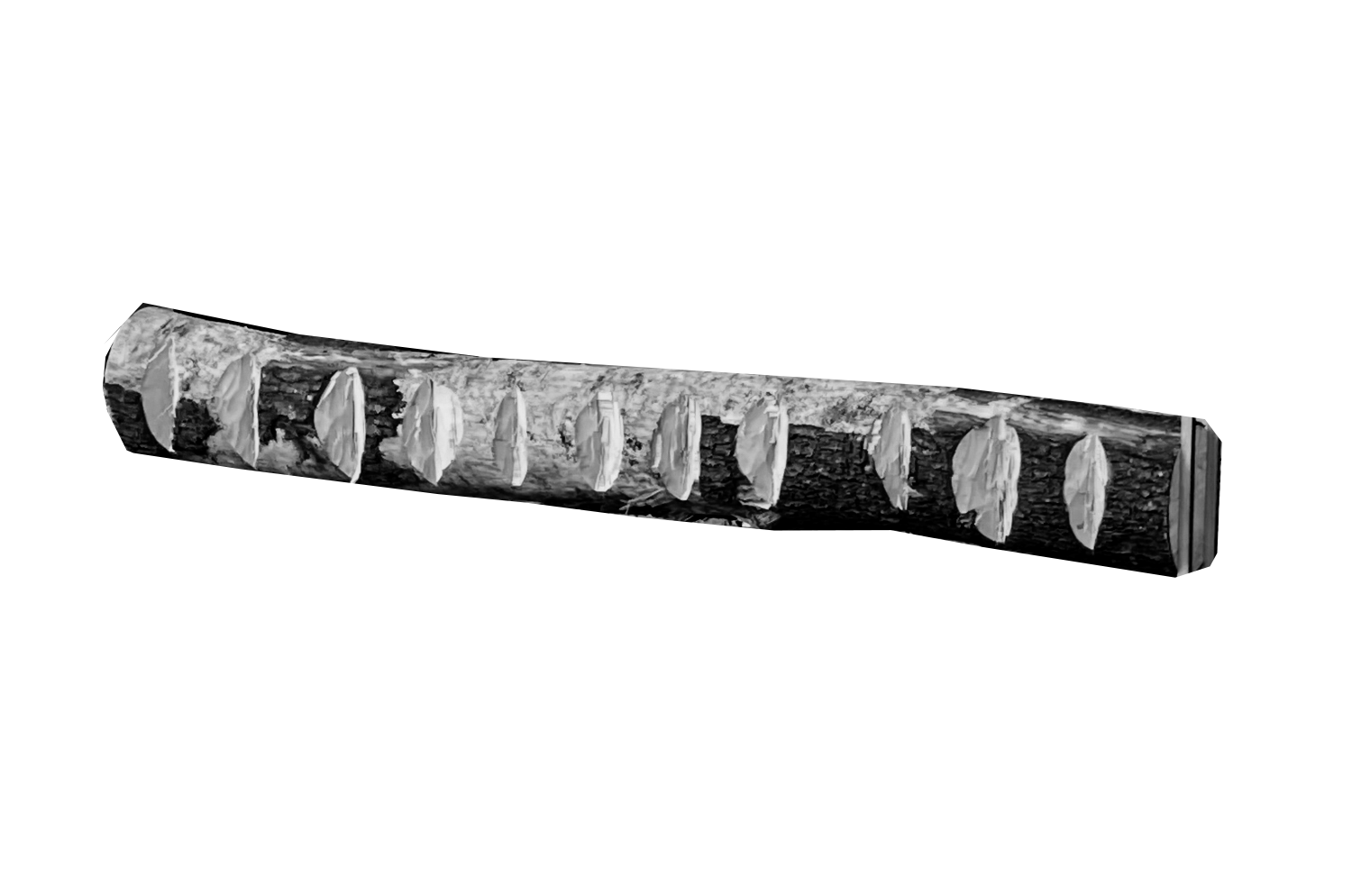
Reclaimed
Early 1800’s Dutch Barn
Native
Locally milled in the Upper Delaware Region
03/ Tools of the Craft
tools of the craft
Every tool is chosen for precision. Every cut is deliberate. THe Traditionally used tools were built to last, and many remain in use today within the craft.
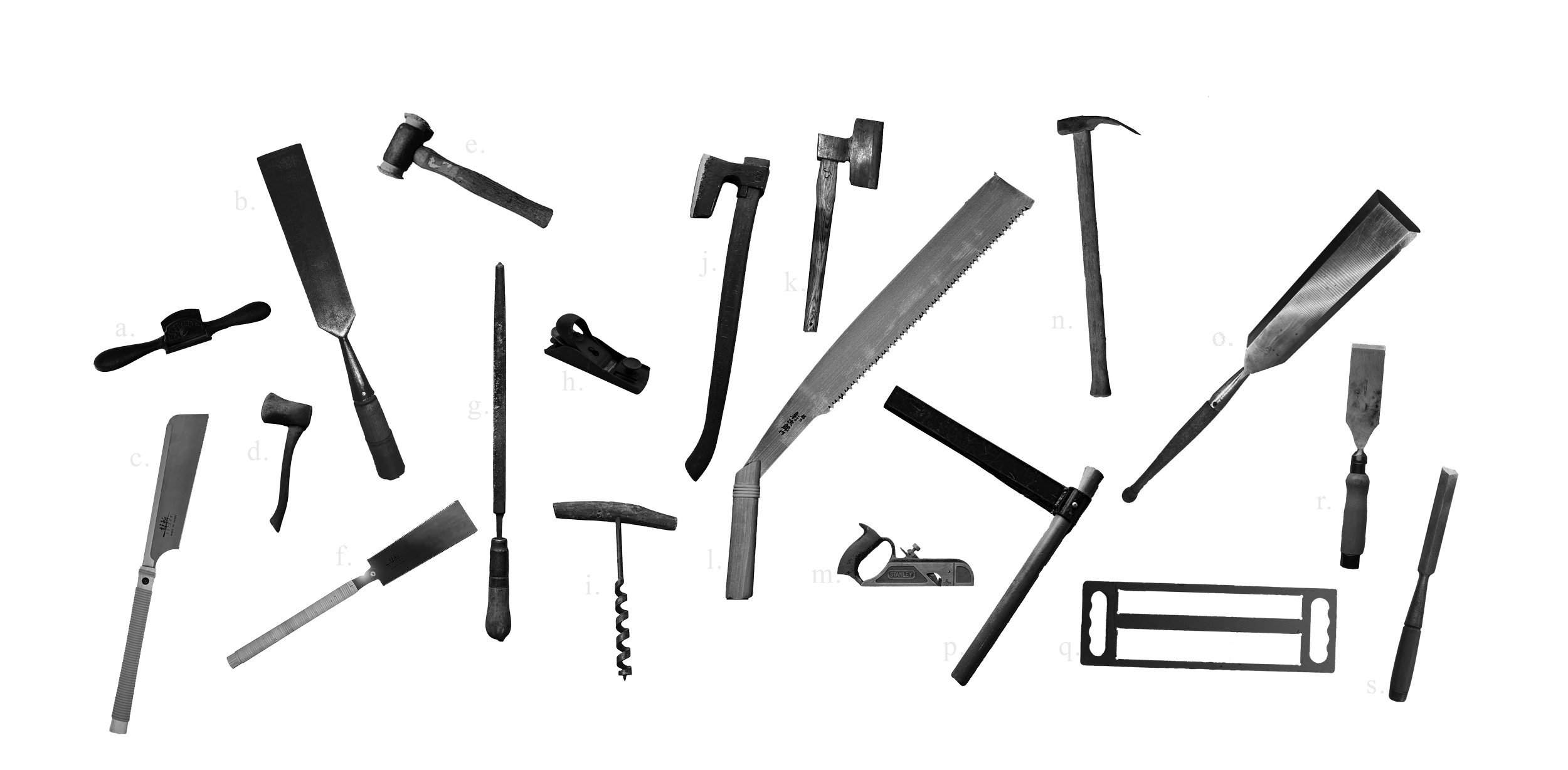
a. Spoke Shave b. 2 in Slick c. Dozoki Japanese Saw d. Frame Hatchet e. Split Head Hammer f. Ryoba Japanese Saw g. Rasp h. Block Planer i. Augor j. Bearded Axe k. Broad Axe l. Temagari Japanese Saw m. Shoulder Planer n. Adze o. 3 in Slick p. Froe q. Gauge Checker r. 2 in Mortise s. 1 1/2 Chisel
04/ Hand Hewn
hand-hewn beams
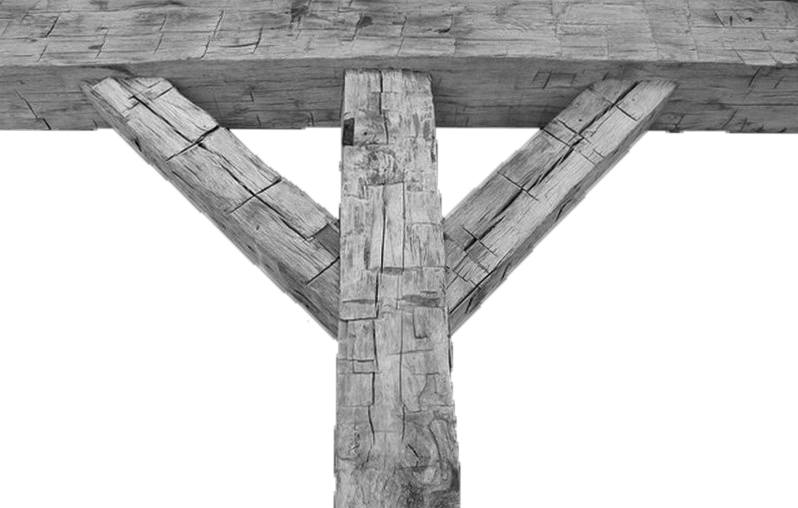
Hands shape the timber. Rhythm guides the work. turning raw beams into functional works of art shaped by centuries of tradition.
The process reveals textures and light beyond what machinery can achieve.
05/ Joinery
the geometry of strength
Joinery is the backbone of traditional timber framing, centered on the precise shaping and interlocking of timbers. Across centuries and cultures, craftsmen developed regional techniques using measured cuts and fitted pegs to form unified structures.
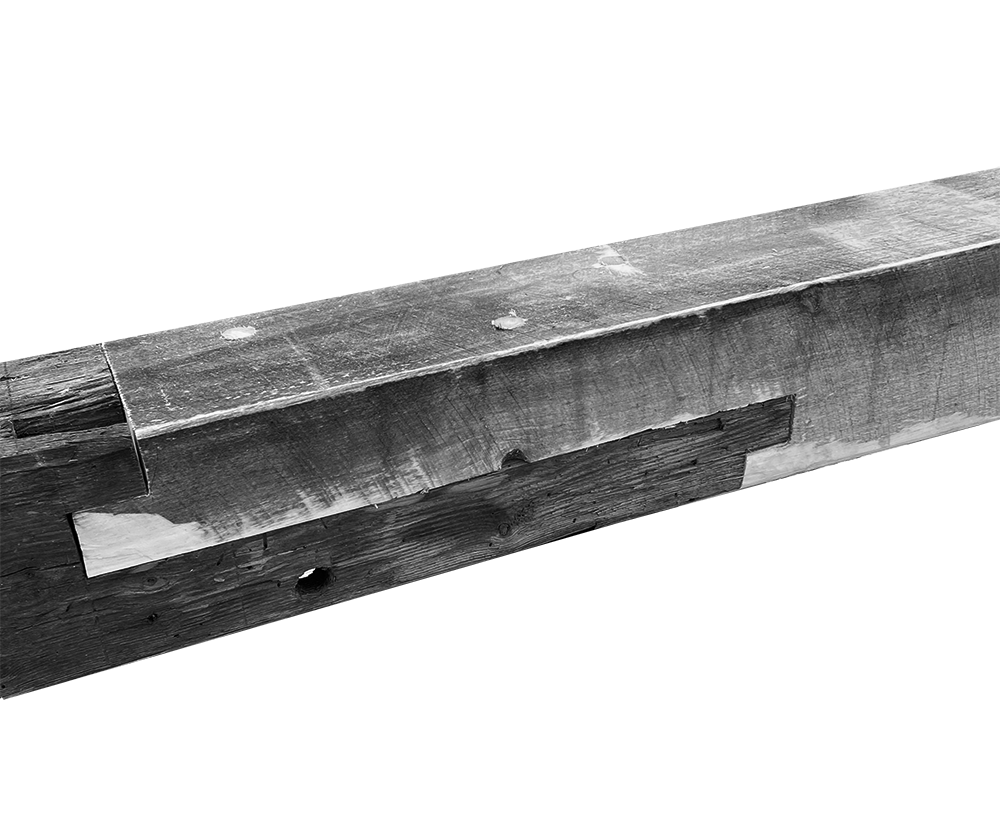
The bladed scarf joins two beams end-to-end, extending their length without compromising strength or stability.
Bladed Scarf Joint
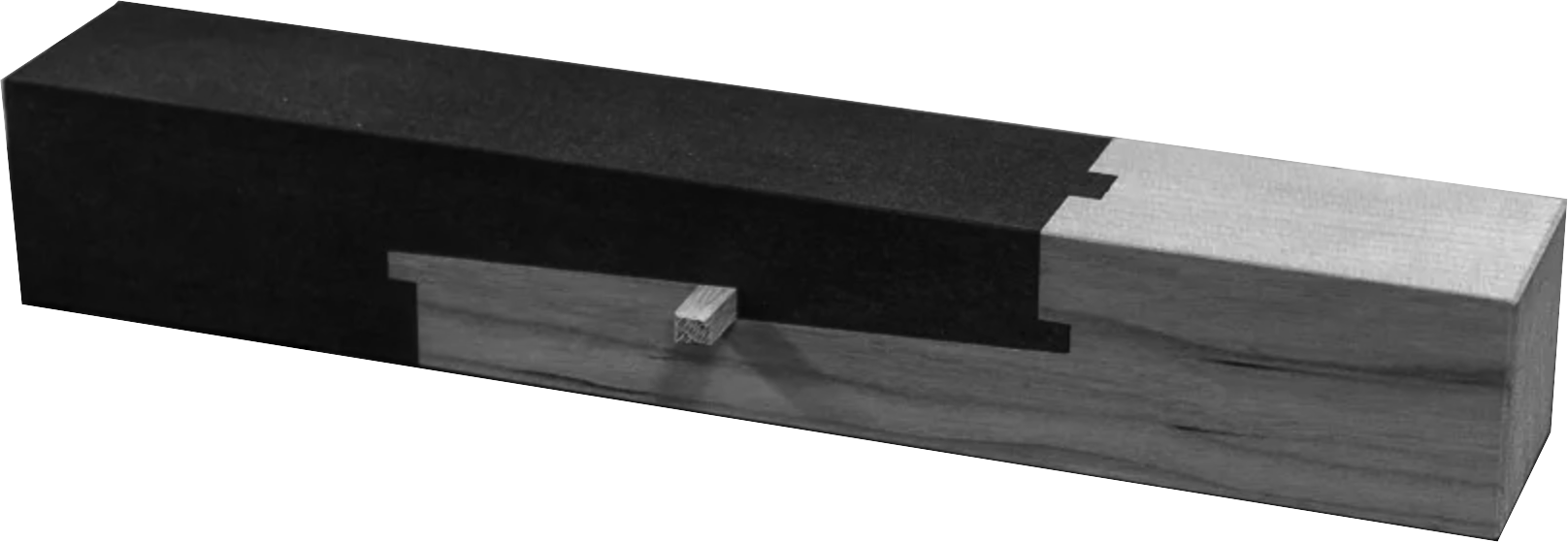
A traditional Japanese joint that interlocks beams with hidden wedges.
Kanawa-tsugi

The strength of a mortise and tenon comes from its precise fit. when the tenon sits tightly in the mortise, creating a stable, rigid connection.
Mortise and Tenon
05/ pegging
setting the frame
After the timbers are marked and dry-fitted for final alignment, the frame rises as craftsmen tap each peg home, drawing the joints together and transforming individual timbers into a unified structure.

A hand or mechanical auger turns with controlled precision, guiding each bore straight and preserving the joint’s integrity.
AUGOR
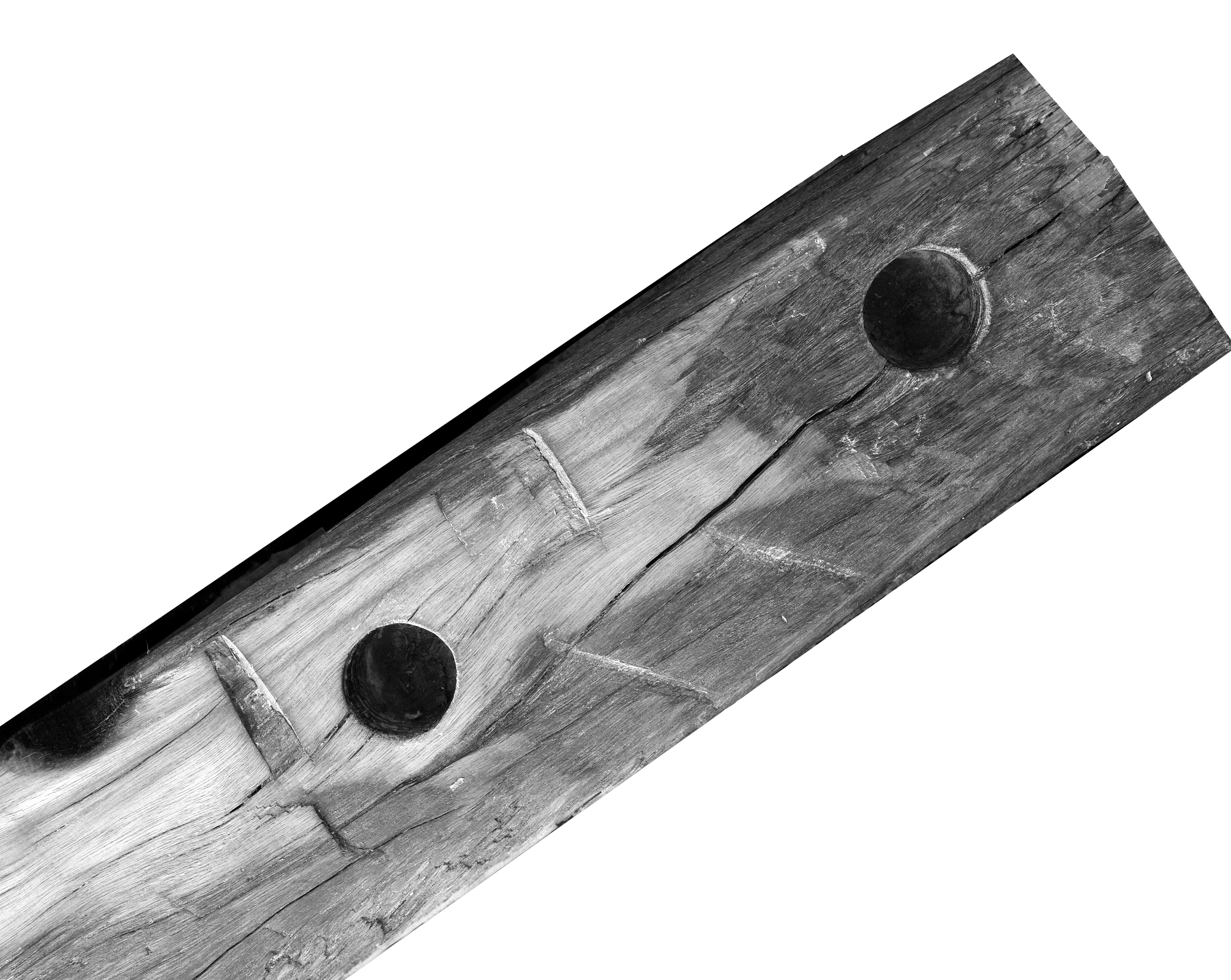
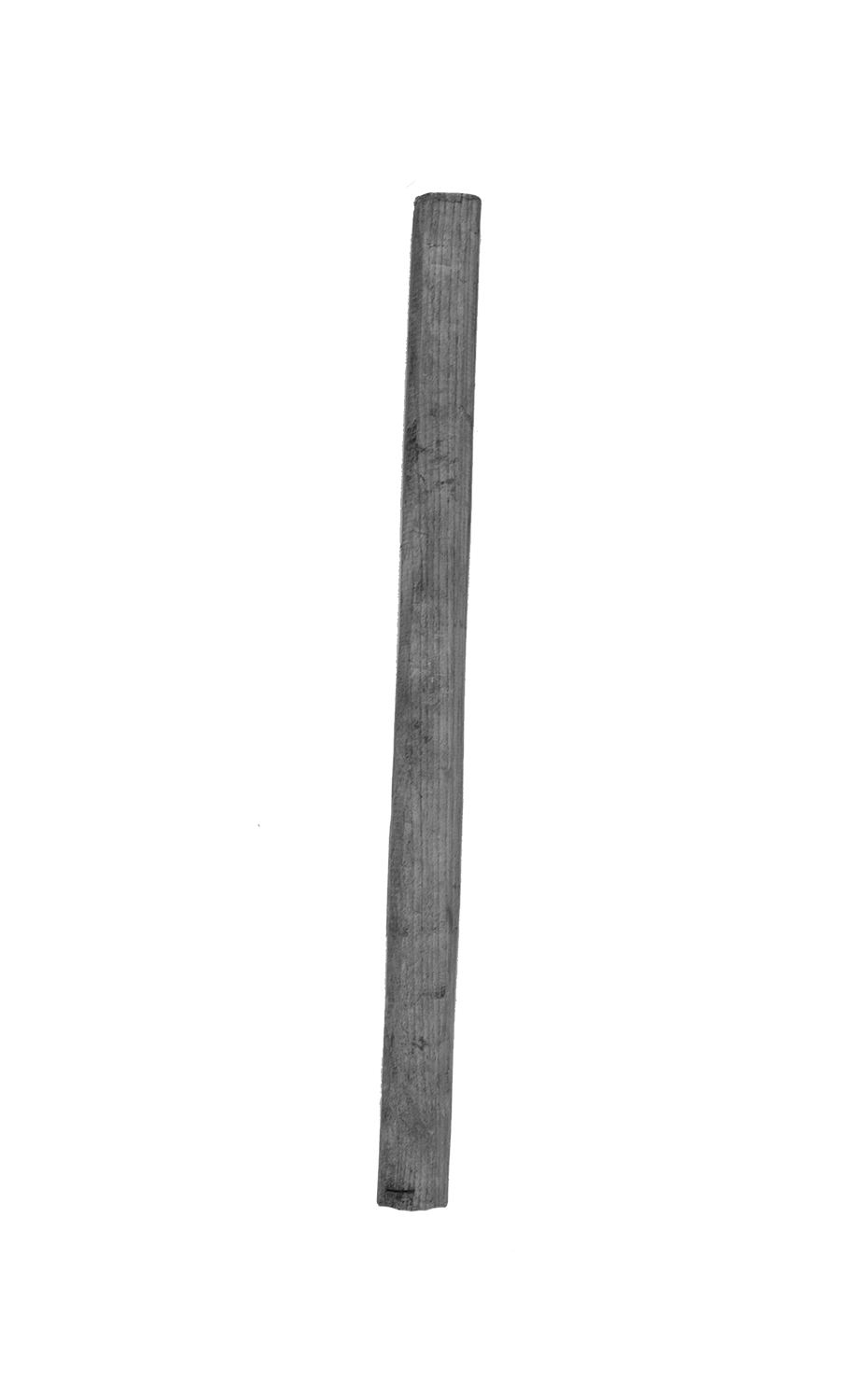
Pegs are the silent anchors of a timber frame, driven with a split-rawhide hammer to set each joint securely with controlled, precision force.
PEGGING